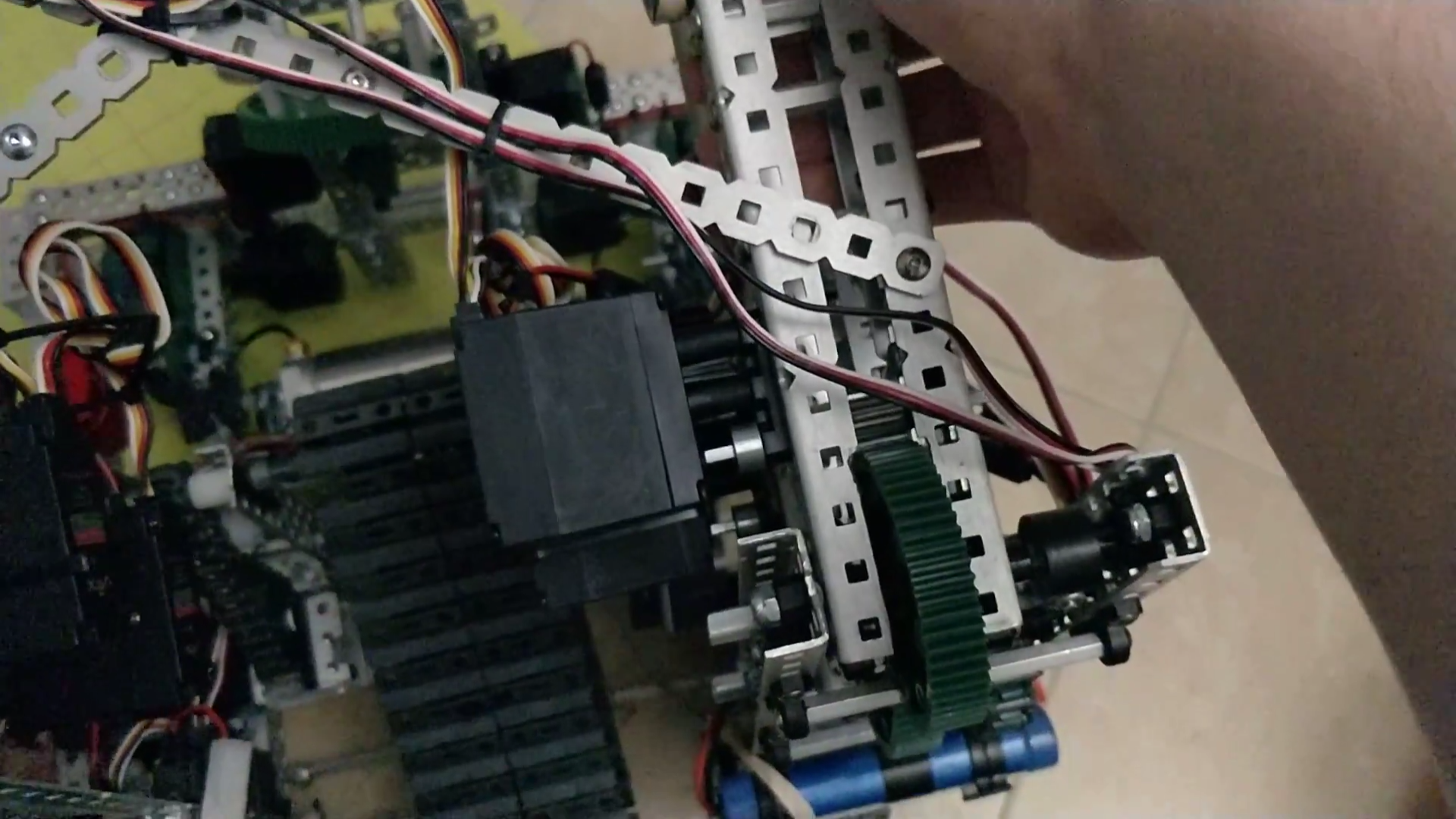
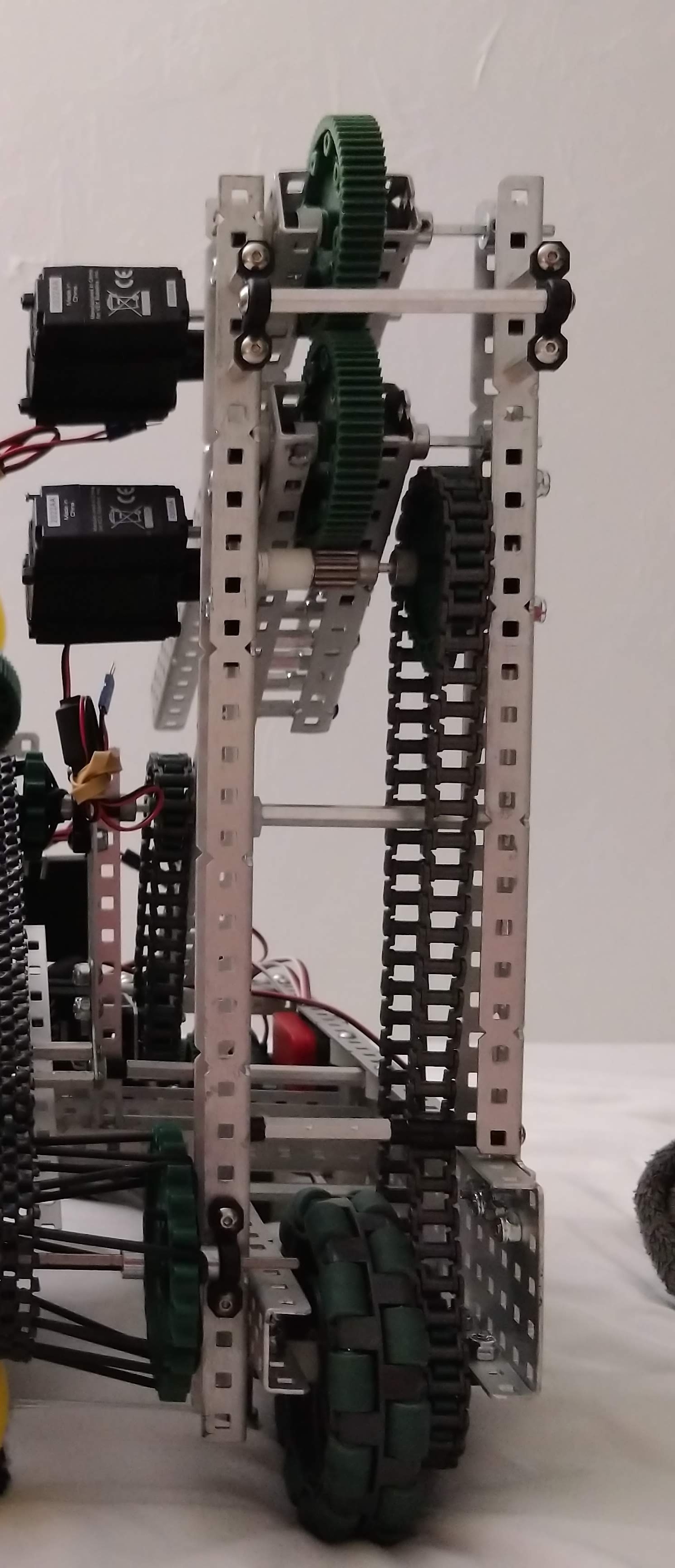
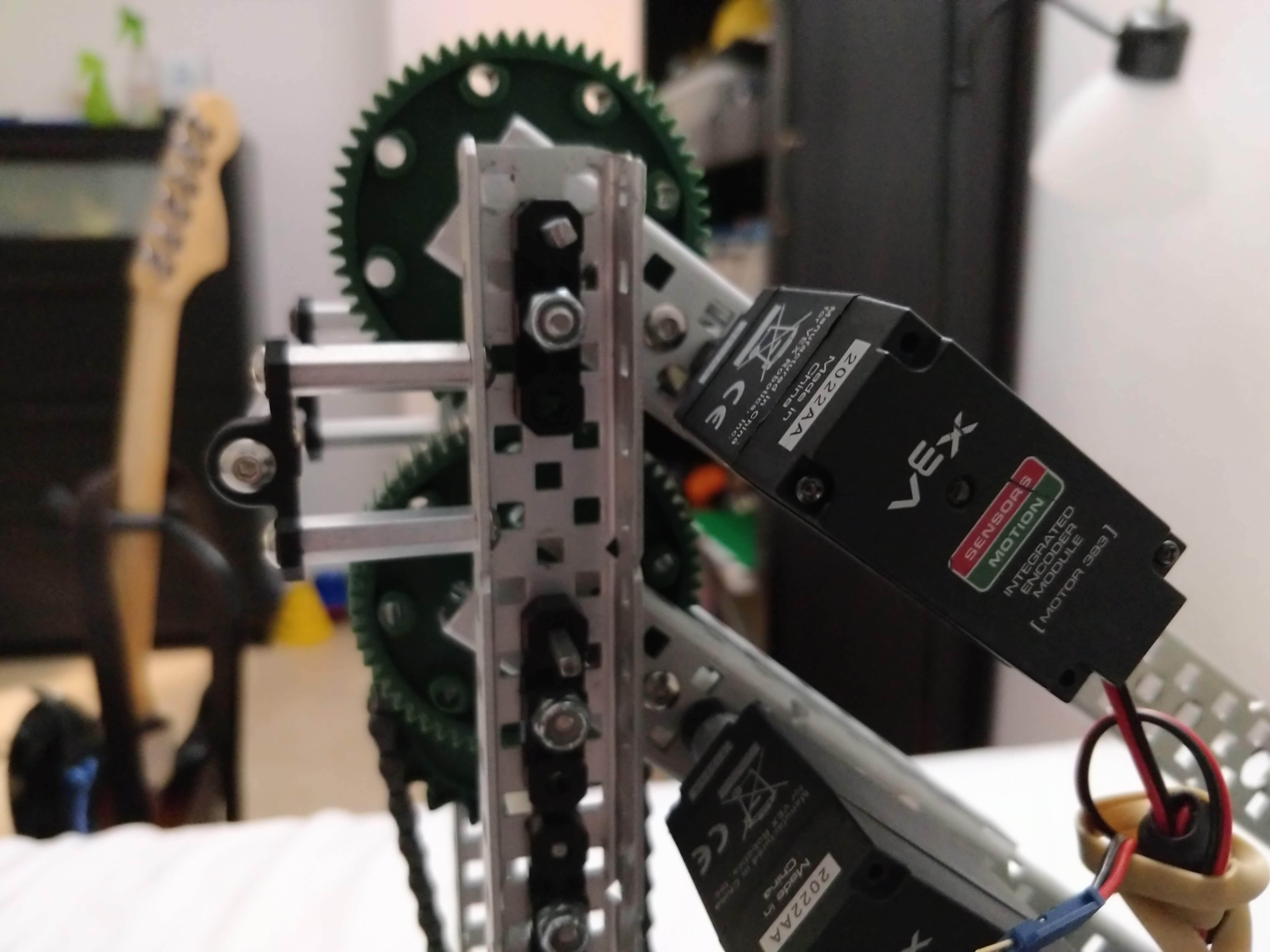
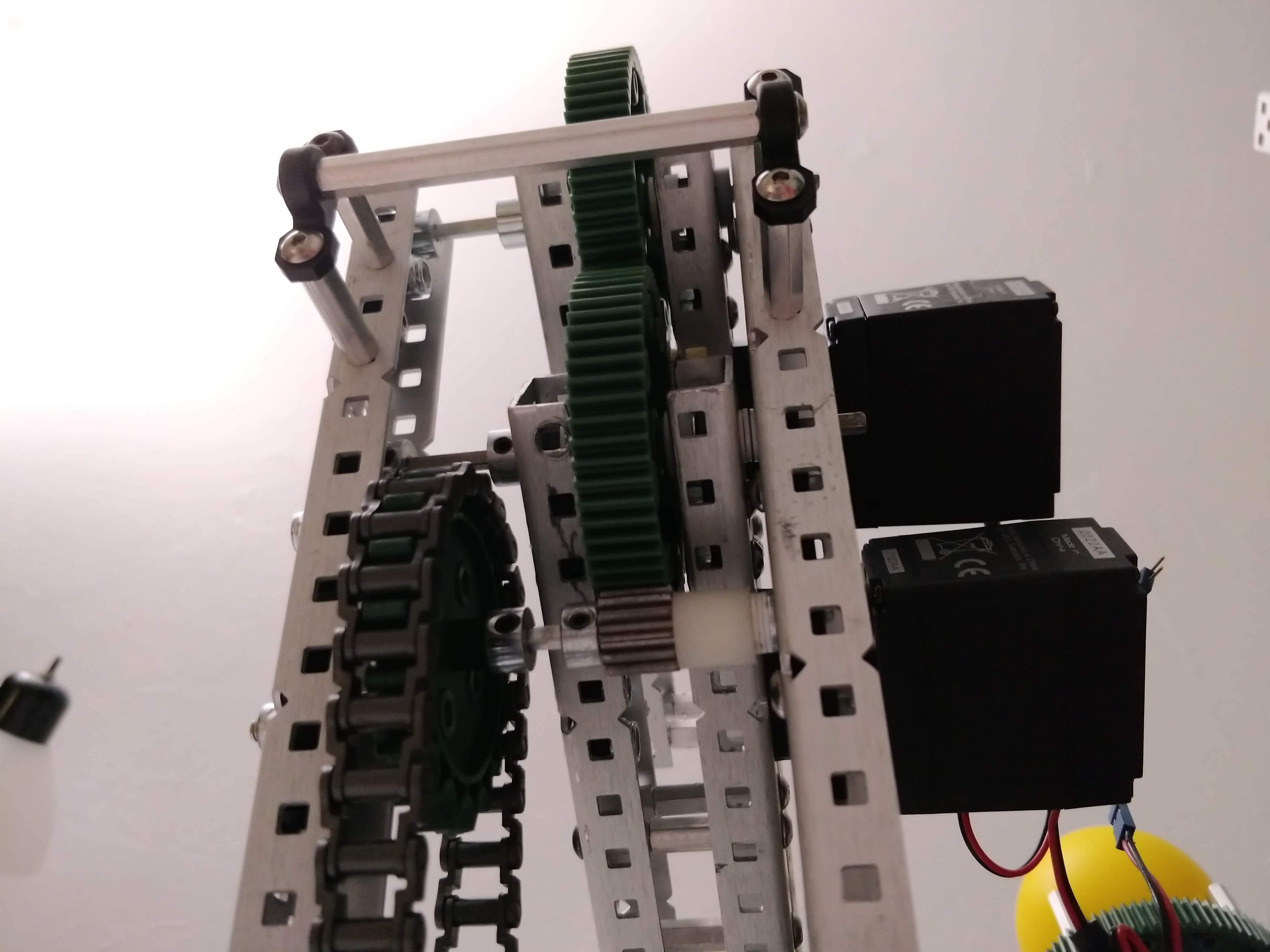
Just to add to this discussion, our original TP bot used a standard 4-bar differential between the chassis and lift. It allowed us to have a 6 motor drive, 4 motor lift, 2 motor catapult, and 1 motor intake, while only using 9 motors total.
The original design had an active flipper and a pneumatic claw, but we ultimately scrapped those because we literally never used it. Instead we rebuilt our lift into a descorer, which is what you see in the video.
It worked extremely well once we fine tuned it a bit- this was our first ever test, so don’t be too hard on it lol.
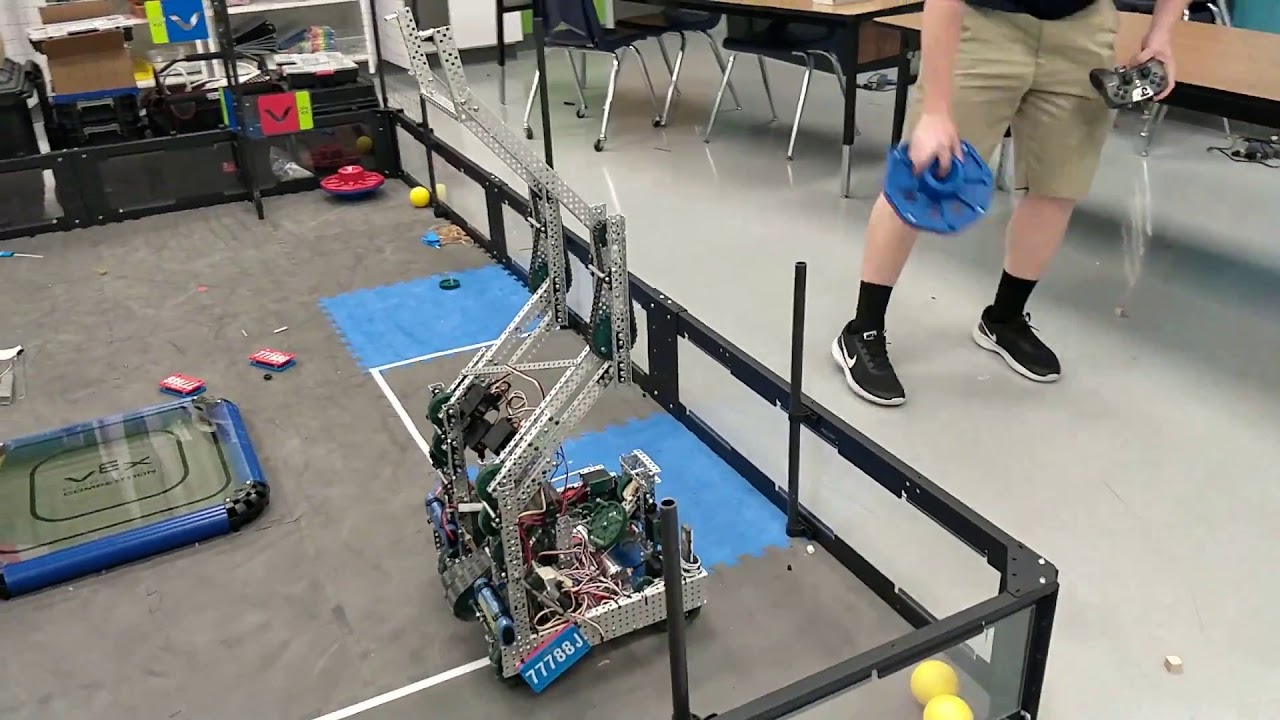
You can see the lift sag a bit when the chassis is moving. This is because I used a fairly weak PID on the lift controller. It was much stiffer when I tightened the controller up. Additional bracing helped as well, since we had more or less none in the video.
The big thing to remember is that both speed and torque are severely reduced when you run both subsystems at once. Not only is the torque being distributed among two systems rather than one, but half of the motors are actually off as well. Less intensive actions such as holding a lift while moving the chassis is probably going to be fine (depending on the load of course), but I would highly recommend not linking any subsystems which will frequently run simultaneously. For instance, a lift for ITZ would have been a bad idea to tie to a chassis. A mogo lift, however, would have been very useful since it was used so rarely and generally could be used while the robot was stationary without losing too much drive efficiency.
Here’s a few photos of our implementation, at different stages in the building process: