Rubber bands to get you off the line. You are going to need very aggressive gearing for a high top speed but low torque. Rubber banding to collars mounted on your drive shaft with regular (not set) screws in them should be a good anchor for your rubber band. Then you just pull it back some and let it go. You should be able to build a car that can launch well just off of rubber bands, and then add in the motor.
For your free spinning wheel, try to make it spin as long as possible when you flick it.
I know this is going to sound nuts but I did a drag race once and I had 600 rpm motors geared 1 to 7. It was 2 motors in the front with two wheels and 1 wheel in the back
yes, rubber banding is the way to go - try to mount some that will give you immediate, high torque power, such as right on the largest gear
if you put rubber bands on shaft collars using regular screws (not set screws), make sure that it isn’t creating too much friction from shoving your axles into the bearing blocks
if you can choose between steel and aluminum frame pieces, always use aluminum to decrease weight
use standoffs instead if possible, because they are lightweight
you could even use rubber bands (or rubber tube) to power your free spinning wheel
make sure all your power and weight is balanced and symmetrical
use the lightest wheels possible, which are probably smaller in diameter - you’ll want to gear this up higher if so to make up for lost gear ratio
make the frame very small to reduce weight
oh and seeing that you are new to vex equipment, you ALWAYS use bearings with axles. ALWAYS.
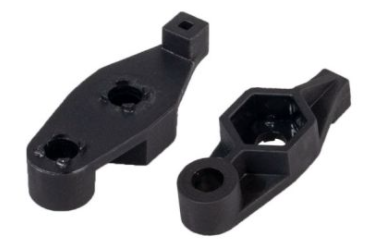
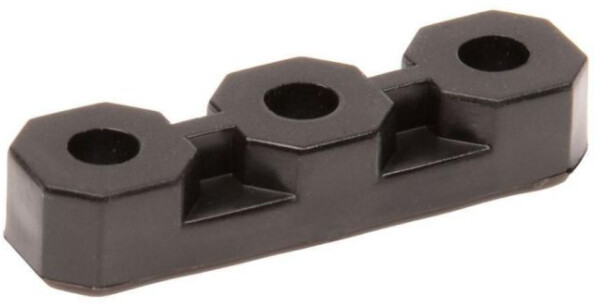
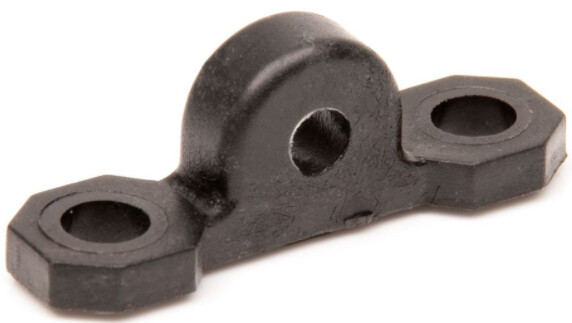
These are bearings:
If there is only one thing that you take away from this post, make it be:
Some tips that may or may not have been said already:
gear ratios will give you a faster top speed, but will also slow your acceleration. More gears also means more friction.
three wheels have less friction than four
because you only have two motors, and since you don’t need to turn, I would connect the back axle. It transfers the power, so you essentially have two motors driving each wheel.
larger wheels will travel farther in one revolution, but again, they’ll slow down acceleration slightly.
if you have access to turbo motor cartridges, use them. They are the fastest cartridges, and your car/dragster shouldn’t weigh enough to cause too much strain.
reduce friction in any way you can, always use bearing flats
weight is important. If you have access to aluminum parts, use them
if you’re allowed to, try wrapping a rubber band around an axle of gear, it will help your acceleration. Just remember not to tie it on permanently or it will get tangled once it unwinds
one very simple option could be 600 rpm motors directly driving 2.75" or 3.25" wheels (4" wheels might have too slow acceleration for 2 motors on a 30 foot stretch)
if you don’t have access to 600 rpm cartridges, I’m going to assume you’re using the 200 rpm green ones. with those, a 3:1 gear ratio will give you 600rpm. you could also go something like 7:3 if you’re using 4" wheels.
It’ll just be about finding that balance between acceleration and top speed.
The robot I made was 467 rpm on 4” wheels, and reached max speed too quickly so I’d recommend going for a higher ratio than that. Can’t tell you how high though, as it depends on how much friction there is too.