Hello everyone,
I’m a student on a VEX robotics team and I’m currently working on my robot design.
I want to learn more about using rubber bands (elastic bands/ligas) in VEX mechanisms, for example:
Helping with intakes
Assisting lifts or arms
Creating tension systems
Storing energy for faster movement
I also want to know the best way to design rubber band systems in CAD (Autodesk Inventor) so I can test the idea before building it.
Does anyone have tips, examples, or tutorials on how to properly use rubber bands in VEX robots?
Thank you very much!
Rubber bands are very important in vex in general so I am going to try my best to list possible resources for your adventures with the elastic shooters. 
First, rubber bands can be purchased here on the official VEX website and on robosource, which comes with a variety of options. Depending on what type of subsystem/mechanism, you might need to get different ones.
Next, for your point on intakes, they are very dominant (other than flex wheels), but since we are talking about rubber bands, they have been used in many games over the years and I feel like they are most popular right now in Push Back. Some examples are here:
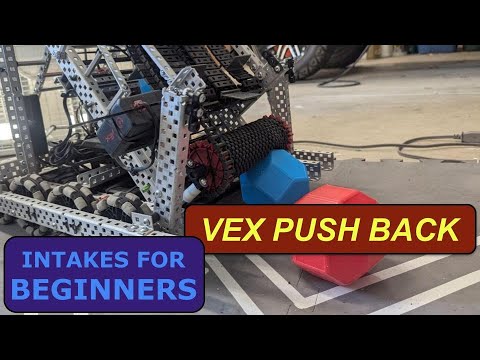
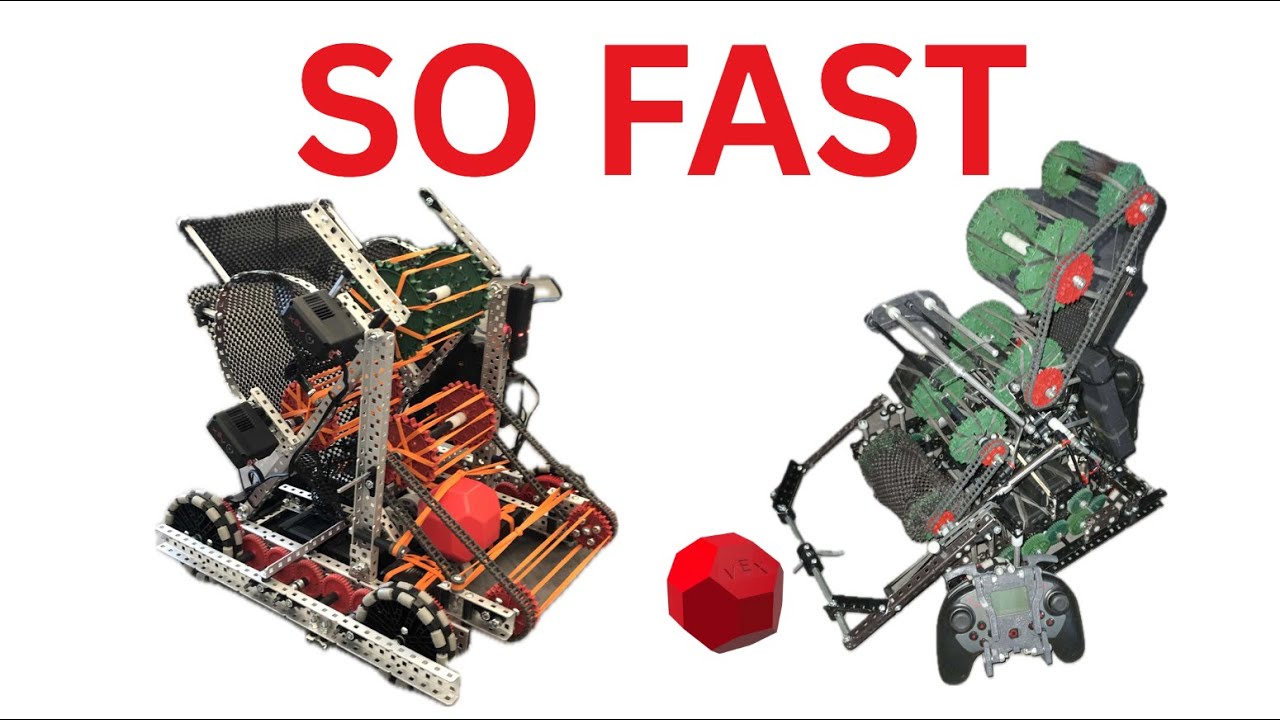
As you can see from the examples, teams usually use sprockets to hold the rubber bands in their circular/intake motion. Wrapping it around is fairly simple.
For lifts/arms, we also see rubber band usage in Push Back for the descore arm. I couldn’t find a good photo, but what teams do is to wrap their rubber band around the piston so it will pull down. I don’t know muchu about the lifts part, however, you could find some resources online or YouTube.
Tension systems could be like a slip gear or maybe a ramp like seen on Ruiguan? I know for a fact that a linear punch uses a slip gear that is pulled forward with rubber bands to make the “punch” have a greater impact. Here is a resource: https://www.youtube.com/watch?v=RXhJdks78ec, https://www.youtube.com/watch?v=ngbvHa4Q-PU. This was popular in Over Under, but could still be used for various other games. This could also fall under storing energy.
The last part I can’t help you with because I have no experience with Autodesk Inventor, but resources like these show the basics of using it for VEX. Hope all of this helps!! Good luck!
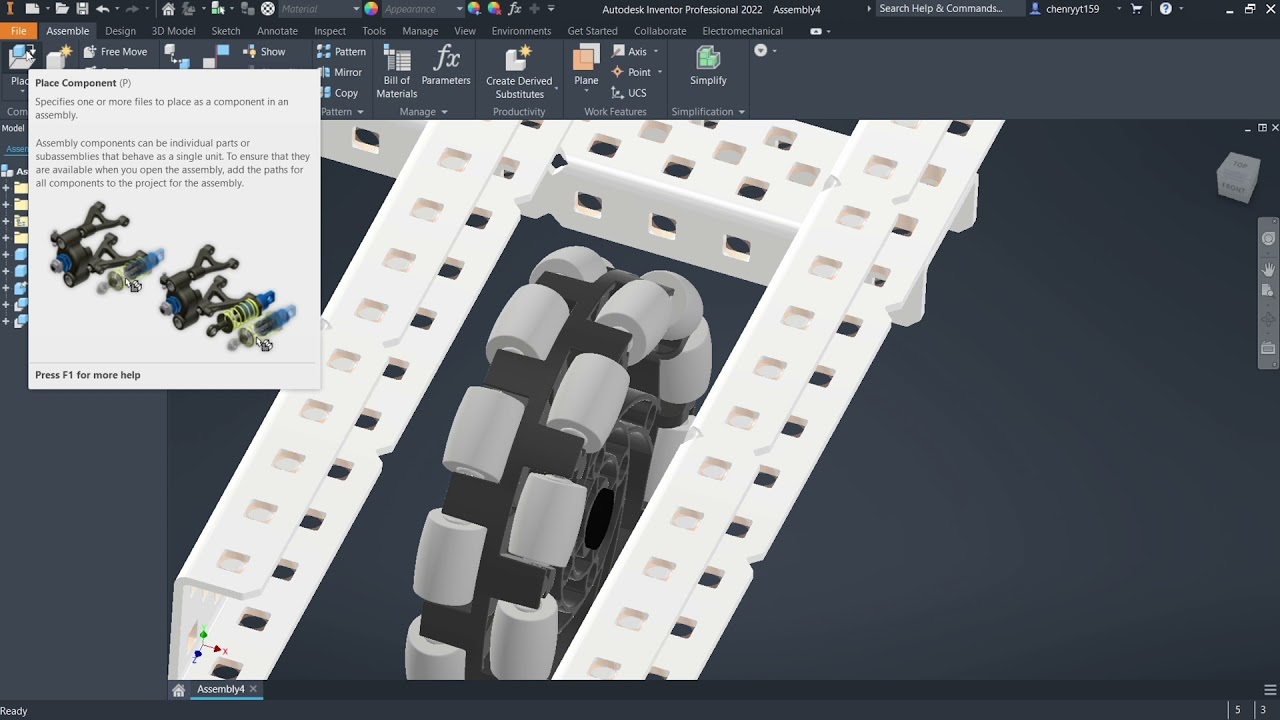
Another good use is on hoods (like for a ruiguan hood for example) to band it down. This prevents the hood from being flipped up, and applies downward tension and makes sure that the hood is always contacting the ball, which helps it score WAY better. This same thing can also apply to intakes as well to make them pick up stuff better.
Another use this season is using it to assist your little will. Firstly, if you use the flat polycarb style, you can band it down so that it stays in the right position to go into the matchloader, but be able to tip back. You can also band the matchloader up to assist the piston if it gets stuck sometimes.
One final use case that is for ramps. I use a modified version of a ruiguan bot, and for the ramp, a really good idea is to use rubber bands zip-tied between two c-channels where you would usually use something like mesh. The main advantage to this is that the bands can bend up and down, which, at-least on our bot, really helps with the scoring.
In general though, you want to be using rubber bands wherever you need to apply some loose, one way tension.