First of all, this video does not demonstrate a difference in stall torque. Each motor can deliver the same amount of force, the stall torque is only determined by the radius of the wheel. A larger radius, the less torque the wheels will be able to deliver. Since all of the wheels in the video are 4 inches in diameter, or close enough to it, the torque applied from the motors is the same. Instead, the video demonstrates traction, or the ability for the wheels to transfer the torque of the motors to the field tile. The “traction” wheels that vex produces ironically have very little traction, which is why they would loose in a pushing match against the other wheels.
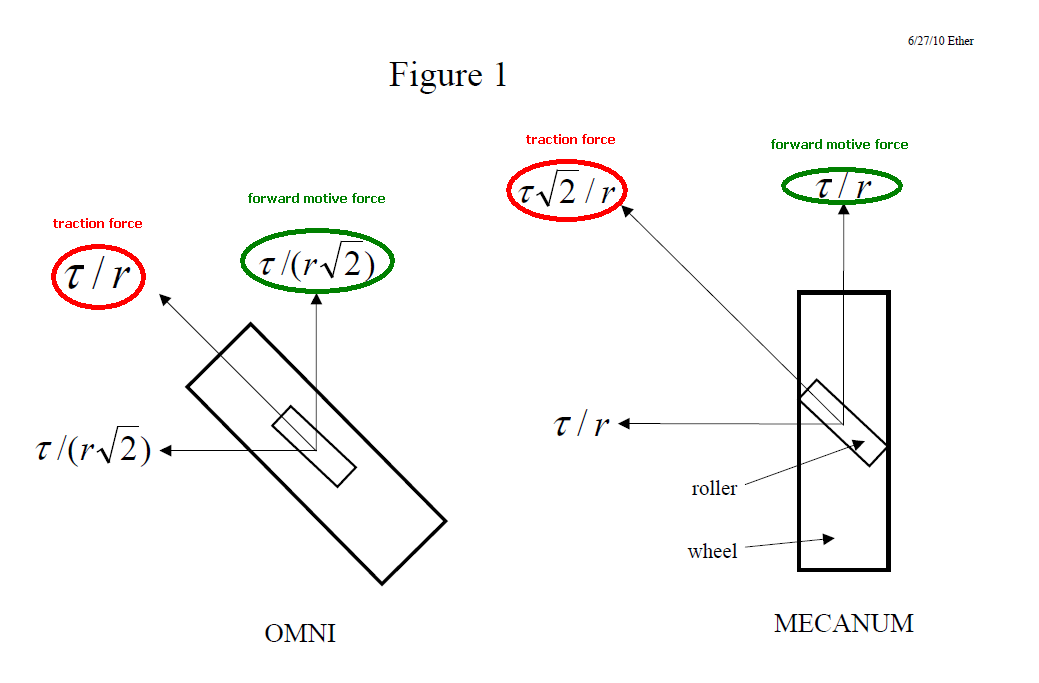
Now, comparing mechanum drive vs. x-drive vs tank drive, there is a lot more too it than just torque, you have to take into account direction. When moving forward, a mechanum based drive will have the same amount of torque as a tank drive because of their orientation (ideally). However, as @aryan.pradhan mentioned, the rollers are angled at a 45 degree angle, so when you are strafing the torque output is changed. In an x-drive, since the wheels themselves are angled at a 45, going forward, the amount of torque they output is much lower, but because of the kinematics behind it, they can go much faster.
Honestly, just like every year, the best drivetrain depends on your teams strategy. If you are focusing on match play, tank is usually the best option, as it has been just about every year. The simplicity of a tank base is also a huge benefit, and they are certainly easier to program. If you are focusing on skills, then an x-drive or mechanum drive would have much better mobility, but programming is more complicated. In my experience, it takes some more skill to build any omni directional base if you want it to drive/strafe straight. Another thing is that mecanums that we are allowed to use aren’t great, and because of frictional losses, they are usually the slowest of all of the different options.