There was a lot of good information posted in this thread.
Ratchets may be more intuitive to understand than differentials and may seem like an easier option to build.
However, to be successful, with either ratchets or differentials, you need to carefully plan all your robot functions. Otherwise your robot will be less competitive compared to the other robots with independently powered functions.
315G did an in-depth video about their TP robot: 315G Ratchets Explained (6 motor drive, 2 motors for everything else)
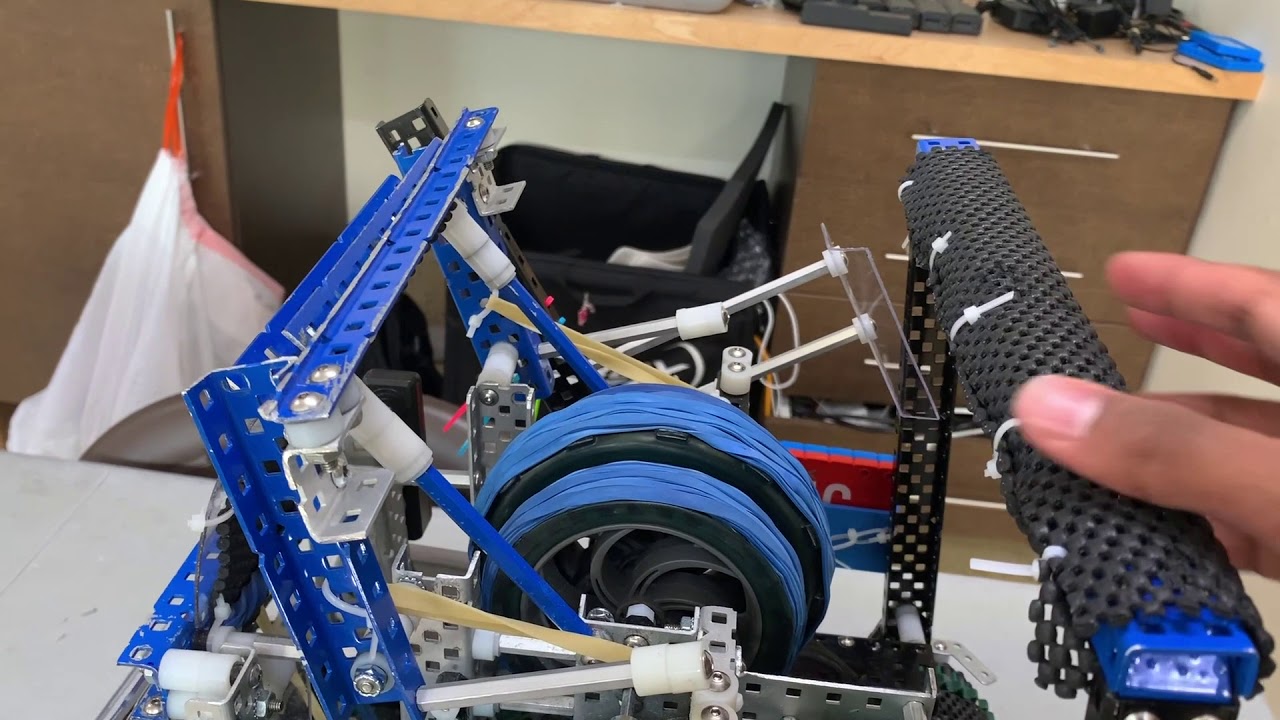
The biggest limitation of ratchets is that you cannot share power from the drivetrain motors that require continuous two way rotation.
Differential transmissions could tap into drivetrain motor power, but have their own limitations. If you try to power two functions with a differential simultaneously, you lose both total power and controlability and might, just as well, use independent motors for better results. (more information here)
For example, sharing motors between drivetrain and DR4B will not work well, because you may need to maneuver around towers, while you adjust DR4B position. On the other hand, sharing motors between drivetrain and tilter could work well, because tilter has two stable positions at the end of its range and when you raise or lower tilter your robot is unlikely to drive.
In all cases for the motor sharing to be viable you have to achieve very high build quality. Otherwise extra friction will negate any motor saving benefits.
I wouldn’t recommend using 4-bar differential with V5 motors if all your drivetrain power has to flow through the differential. It is possible to build, but you have to utilize every known trick to minimize friction losses. For example, this robot uses partially threaded screws instead of the square axles:
For best results, I would recommend mounting V5 motors into rotating frame, supported by the special bearings made with drilled out 393 gears:
Finally, you need to be ready to roll out your own special PID algorithm that fuses control of both functions in one. It is not difficult, but you wouldn’t get to the max power without it.